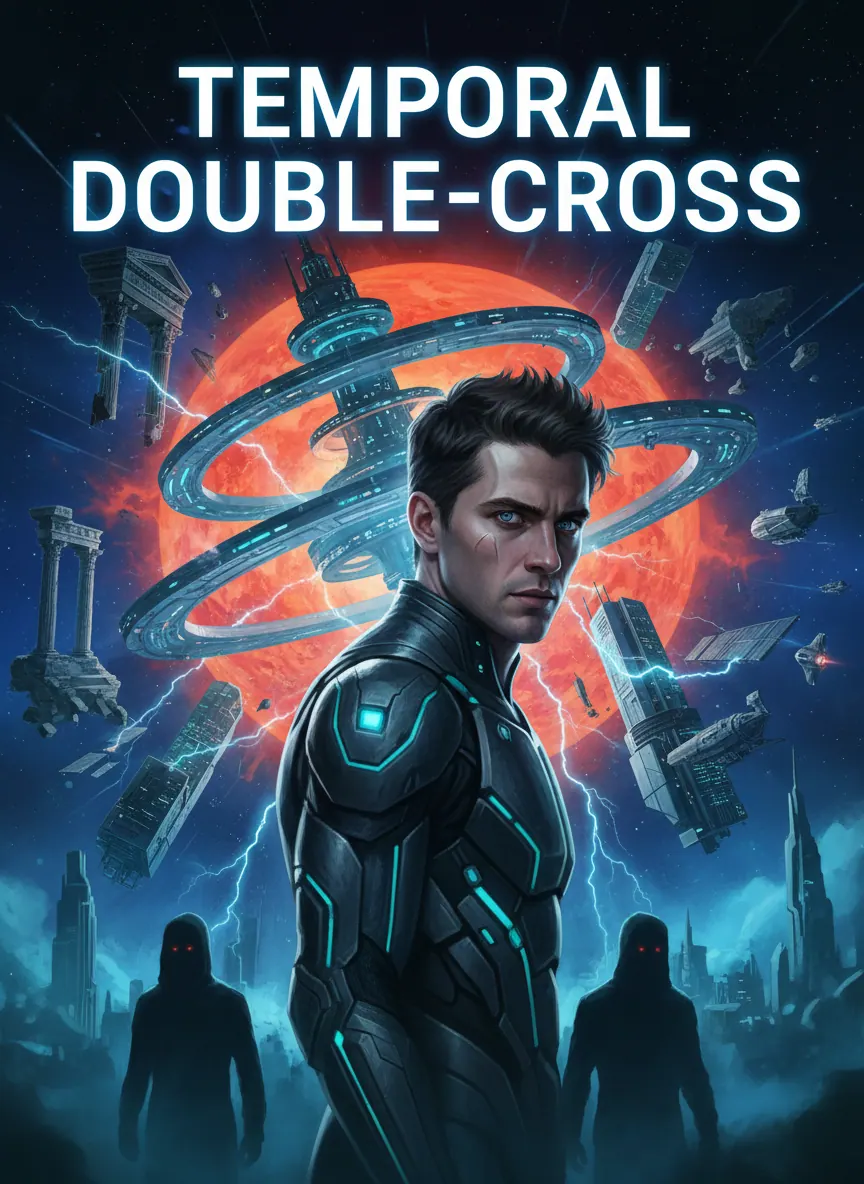
Above the Galaxy: A Sci-Fi Epic Where Humanity Forges Its Own Destiny
Forget waiting for divine intervention; in the vast expanse of space, sometimes the only way to survive is to become the legends you whisper about. This is the electrifying premise that ignites Liu Xia Hui's breathtaking web novel, Above the Galaxy. If you're seeking a science fiction saga that dives deep into themes of resilience, ambition, and the unyielding human spirit against impossible odds, then look no further. Above the Galaxy novel isn't just a story; it's a call to arms for anyone who believes in the power of self-determination.
What the Story is About: A Universe Forged in Fire
The synopsis of Above the Galaxy is deceptively simple, yet profoundly evocative: "If the gods no longer bestow their mercy, then let us kindle bonfires, carry great swords, become skeletons, or heroes of legend." This single sentence encapsulates the desperate, exhilarating struggle at the heart of this expansive narrative. Imagine a universe where humanity, once perhaps favored, now finds itself abandoned by any semblance of cosmic benevolence. The established order is crumbling, and the silence from the heavens is deafening. In this vacuum of divine indifference, humanity is forced to confront its own mortality and its capacity for both destruction and creation.
The story doesn't shy away from the harsh realities of this existence. It paints a picture of a future where survival is a daily battle, not just against alien threats or environmental cataclysms, but against the very forces that have shaped their destiny. The narrative unfolds as humanity grapples with this newfound reality, exploring various paths they might take. Will they descend into savagery, becoming mere "skeletons" in the cosmic dust? Or will they rise, fueled by an indomitable will, to "kindle bonfires" of hope and become "heroes of legend"? The Above the Galaxy novel masterfully explores these divergent futures, showcasing the choices that define a species.
World-Building: A Tapestry of Stars and Struggle
Liu Xia Hui has crafted a universe in Above the Galaxy that is both awe-inspiring and terrifying. The scale of the cosmos is palpable, filled with diverse alien civilizations, ancient cosmic mysteries, and the ever-present backdrop of the void. But it's the way this grand stage is used to highlight humanity's plight that truly makes the world-building shine. We encounter star systems teetering on the brink, forgotten technologies waiting to be rediscovered, and the lingering echoes of past glories and failures.
The author skillfully weaves intricate details about societal structures, technological advancements (and regressions), and the philosophical underpinnings of a species at a crossroads. Whether it's the gritty realism of life on the fringes of known space or the grand machinations of interstellar politics, the world of Above the Galaxy feels lived-in and dynamic. It’s a universe where ancient myths might hold surprising truths, and where the line between man and machine, or even man and something more, can blur.
The Heart of the Story: Characters Who Resonate
While the grand cosmic stage is set, the true power of Above the Galaxy lies in its characters. While a single protagonist might anchor the narrative, the story promises a rich ensemble cast, each grappling with the existential crisis faced by humanity in their own unique ways. We can expect to see individuals who embody the spectrum of responses to their abandonment: the hardened survivors, the idealistic visionaries, the pragmatic strategists, and perhaps even those who succumb to despair.
Expect characters who are not perfect heroes, but flawed, relatable individuals thrust into extraordinary circumstances. Their journeys will be fraught with personal sacrifice, difficult moral choices, and the constant struggle to find meaning and purpose when the universe seems to offer none. The author's skill in developing these characters ensures that the emotional core of Above the Galaxy remains strong, making their triumphs and tribulations deeply affecting for the reader. The development within the Above the Galaxy novel will likely see these characters evolve significantly as they face the ultimate test of their species.
What Makes Above the Galaxy Stand Out?
In a genre crowded with incredible stories, Above the Galaxy carves out its own distinct niche through several key elements:
- Philosophical Depth: This isn't just about laser battles and space empires. The novel delves into profound questions about faith, free will, the nature of divinity, and what it truly means to be human when stripped of external validation. The central theme of self-reliance in the face of divine abandonment is a powerful hook.
- Unflinching Realism (within its Sci-Fi context): While fantastical elements are present, the consequences of the choices made by humanity feel earned and impactful. The story doesn't shy away from the darker aspects of survival and conflict, making the moments of hope and triumph all the more resonant.
- Epic Scope with Personal Stakes: The narrative threads weave together the fate of entire civilizations with the intimate struggles of individual characters. This balance ensures that readers are invested in both the grand cosmic conflict and the personal journeys of those involved.
- Evocative Prose: The synopsis itself is a testament to the author's lyrical and powerful writing style. This suggests that Above the Galaxy will offer a reading experience that is not only engaging but also beautifully rendered.
Why Readers Love It (and Why You Will Too)
Readers of Above the Galaxy are drawn to its compelling blend of action, philosophy, and character-driven drama. They appreciate the novel's ability to present a universe that is both vast and intimate, where grand cosmic events have tangible impacts on individual lives. The sense of agency that humanity – or at least its characters – strives for, even in the face of overwhelming despair, is a major draw. It's a story that inspires, challenges, and entertains in equal measure.
It's the kind of web novel that sparks discussions about its themes long after you've finished reading. The courage displayed by the characters, their willingness to forge their own destiny rather than wait for a savior, is deeply inspiring. The promise of "kindling bonfires" and becoming "heroes of legend" is a powerful narrative engine that keeps readers turning the virtual pages.
Who Should Read This?
If you're a fan of:
- Epic science fiction with a grand scale and intricate world-building.
- Stories that explore philosophical themes and existential questions.
- Character-driven narratives where individuals face immense challenges.
- Tales of human resilience and the fight for survival against overwhelming odds.
- Web novels that offer a unique and thought-provoking premise.
...then Above the Galaxy is an absolute must-read. It's for those who enjoy their sci-fi with a side of introspection and a healthy dose of daring.
Where to Read
Naturally, being a web novel, Above the Galaxy is readily accessible on various online platforms dedicated to serial fiction. You can usually find it by searching for the title and author on popular web novel aggregators and serialization sites. Keep an eye out for it where your favorite sci-fi tales are found.
Frequently Asked Questions
Q1: Is Above the Galaxy a single, completed novel, or is it an ongoing series?
A: Without specific platform details, web novels often begin as serials. It is best to check the platform where it is hosted to determine its current status (ongoing, completed, or in planned arcs).
Q2: Does the synopsis mean the story is purely grimdark, or are there elements of hope?
A: The synopsis suggests a spectrum of possibilities. While the situation is dire ("If the gods no longer bestow their mercy"), the very idea of "kindling bonfires" and becoming "heroes of legend" indicates a strong presence of hope and the potential for heroic endeavors. It's likely a story that balances darkness with the enduring light of the human spirit.
Q3: Is Above the Galaxy suitable for new readers to the sci-fi genre?
A: Given its philosophical depth and focus on human resilience, Above the Galaxy could be an excellent entry point. While it is science fiction, its strong thematic core and character focus can appeal to a broad audience. Its premise is accessible, and the exploration of grand ideas can be as engaging as any action sequence.
Q4: Are there any specific technologies or alien races that are central to the plot?
A: The synopsis focuses on the overarching human struggle. While specific technologies and alien races are almost certainly present in a story of this scope, their exact nature and centrality would be a discovery made within the narrative of Above the Galaxy itself. The emphasis is on humanity's response to their circumstances.
Q5: How complex is the world-building in Above the Galaxy?
A: Based on the premise and genre, expect a richly developed world. Liu Xia Hui's synopsis suggests a universe with a history and a complex present. Readers can anticipate detailed explorations of societal structures, technological advancements, and the broader cosmic setting as the story of Above the Galaxy unfolds.