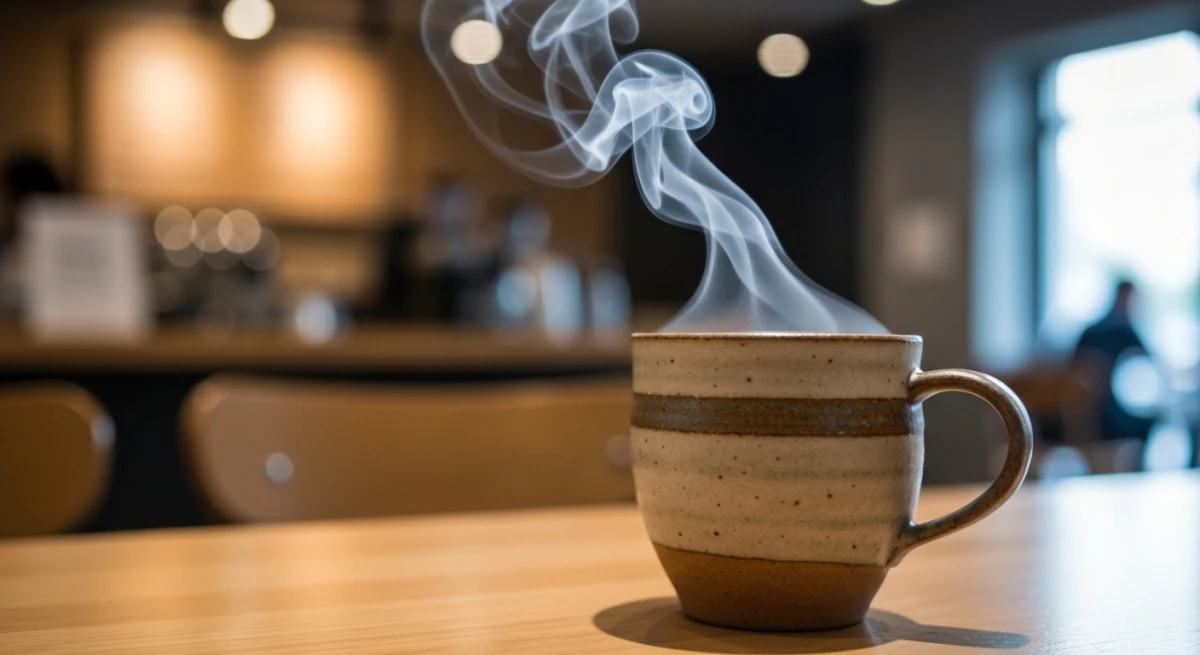
A World in a Cup: Unveiling the Magic of Coffee
The aroma alone is enough to awaken the senses, but the humble coffee bean offers so much more. For millions, a daily cup of coffee is more than just a beverage; it's a ritual, a source of comfort, and a catalyst for conversation. From the bustling streets where you grab a quick "7 Brew Coffee" or a "Starbucks coffee" to the artisanal "specialty coffee" shops showcasing the nuances of "3rd wave coffee," the global appreciation for this roasted bean is undeniable. This guide dives deep into the fascinating universe of coffee, exploring its origins, the diverse "types of coffee," how to brew the perfect cup at home, and even touching on modern innovations like "mushroom coffee" and the rise of "ground coffee" enthusiasts. Whether you're a seasoned connoisseur or just starting your coffee journey, get ready to discover what makes coffee so universally loved.
From Cherry to Cup: The Journey of the Coffee Bean
Every cup of coffee begins its life as a fruit, specifically the cherry of the Coffea plant. These plants thrive in the "Bean Belt," a region around the equator. The two primary species that dominate the global coffee market are Arabica and Robusta.
- Arabica: Known for its complex aromatics, brighter acidity, and nuanced flavors, Arabica beans are typically grown at higher altitudes. They represent about 60% of the world's coffee production and are favored in "specialty coffee" and "3rd wave coffee" culture for their intricate taste profiles, often featuring notes of fruit, flowers, and chocolate.
- Robusta: As the name suggests, Robusta plants are hardier and easier to grow, often at lower altitudes. They contain nearly double the caffeine of Arabica and possess a bolder, often more bitter, and rubbery flavor. Robusta is frequently used in espresso blends for its crema-producing qualities and in instant coffee formulations.
The journey from cherry to roasted bean involves several critical stages:
- Washing/Processing: After harvesting, the coffee cherries are processed to remove the fruit pulp and skin. Common methods include the "washed" process (where beans are fermented in water to remove mucilage), the "natural" or "dry" process (where cherries are dried whole in the sun), and the "honey" process (a hybrid that leaves some of the fruit's sweetness on the bean).
- Drying: Beans are dried to a specific moisture content (around 10-12%) to prevent mold and preserve quality.
- Milling: This stage involves hulling the beans (removing any remaining parchment layers) and sorting them by size, density, and defects.
- Roasting: This is where the magic truly happens. Roasting develops the complex aromas and flavors locked within the green coffee bean. Different roast levels – from light to dark – dramatically alter the taste. Light roasts preserve origin characteristics and acidity, while dark roasts bring out bolder, more caramelized, and sometimes smoky notes.
Decoding the World of Coffee Types
The term "coffee" itself is a broad umbrella. Understanding the different "types of coffee" can enhance your appreciation and help you order or brew exactly what you're in the mood for.
- Espresso: A small, concentrated shot of coffee brewed by forcing hot water under high pressure through finely-ground coffee. It forms the base for many popular drinks.
- Americano: Espresso diluted with hot water, creating a coffee similar in strength to drip coffee but with the distinct flavor profile of espresso.
- Latte: Espresso with steamed milk and a thin layer of milk foam. Often flavored with syrups.
- Cappuccino: Espresso with equal parts steamed milk and thick milk foam. More foam-forward than a latte.
- Macchiato: Espresso "marked" or "stained" with a dollop of milk foam. Can also refer to a caramel macchiato, a much sweeter and milkier drink.
- Flat White: Similar to a latte but with less foam and a smoother, more velvety texture due to microfoam.
- Mocha: A chocolate-flavored latte, typically made with espresso, steamed milk, chocolate syrup, and often topped with whipped cream.
- Drip Coffee: Brewed by allowing hot water to drip through "ground coffee" in a filter. This is what most people refer to as regular "coffee" in many parts of the world.
- Cold Brew: Coffee brewed with cold water over an extended period (12-24 hours), resulting in a smoother, less acidic, and naturally sweeter concentrate.
- Pour-Over: A manual brewing method where hot water is poured over "ground coffee" in a filter, allowing for precise control over the brewing process and highlighting the nuanced flavors of "specialty coffee."
- French Press: A full-immersion brewing method where "ground coffee" steeps in hot water before being pressed down with a plunger. Known for a richer, fuller-bodied cup.
Beyond the Bean: Innovative Coffee Trends
While traditional coffee remains a beloved staple, the industry is constantly innovating. You've likely seen or heard about:
- Mushroom Coffee: Brands like "Ryze Mushroom Coffee" have popularized a blend of coffee with medicinal mushrooms (like Lion's Mane and Chaga). Proponents claim it offers sustained energy without the jitters, improved focus, and other health benefits, all while tasting like regular coffee.
- Ready-to-Drink (RTD) Coffee: The convenience of "7 Brew Coffee" and similar chains has paved the way for an explosion in high-quality RTD coffee products, from cold brews to bottled lattes, available in grocery stores and cafes.
- Blank Street Coffee & Coffeelab: These emerging brands represent the evolving landscape of coffee service, often focusing on sleek design, efficient technology (like app-based ordering), and a curated selection of high-quality beverages. They are part of the broader movement towards a more modern and accessible "specialty coffee" experience.
Brewing at Home: Your Perfect Cup Awaits
The "coffee" you make at home can rival that from your favorite cafe, especially with the right approach. The key lies in quality ingredients and understanding your brewing method.
- Freshness is Key: Always start with freshly roasted, whole beans. Grinding your beans just before brewing makes a significant difference in flavor. Consider a burr grinder for consistent particle size, which is crucial for even extraction.
- Water Matters: Use filtered water. The minerals in tap water can affect the taste of your "coffee."
- Proportion and Temperature: The ideal coffee-to-water ratio is typically around 1:15 to 1:18 (e.g., 1 gram of coffee for every 15-18 grams of water). Water temperature should be between 195°F and 205°F (90°C - 96°C) – too hot and you'll scorch the grounds, too cool and you won't extract enough flavor.
- Experiment with Brewing Methods:
- Drip Machine: Simple and convenient. Ensure it heats water properly and grounds are evenly distributed.
- Pour-Over (e.g., V60, Chemex): Offers control and highlights delicate flavors. Requires practice.
- French Press: Produces a rich, full-bodied cup. Coarser grind is needed.
- Aeropress: Versatile and fast, can make espresso-style or drip-style coffee.
- Moka Pot: Brews a strong, espresso-like coffee on the stovetop.
The Coffee Experience: Beyond the Taste
"Coffee" is more than just a drink; it's a cultural phenomenon. From the cozy corners of local "coffeelabs" and "specialty coffee" shops to the grab-and-go efficiency of chains like "7 Brew Coffee" and "Starbucks coffee," it fuels our mornings, sparks creativity, and fosters social connections. The rise of niche brands like "Blank Street Coffee" and innovative products like "Ryze coffee" reflect the dynamic nature of this beloved beverage, always evolving yet rooted in its fundamental appeal. Whether you're exploring the intricate notes of "3rd wave coffee" or enjoying the straightforward comfort of a classic drip, there's a universe of flavor and experience waiting in every cup.
Frequently Asked Questions About Coffee
Q: What is the difference between specialty coffee and regular coffee?
A: "Specialty coffee" refers to high-quality coffee beans that have scored 80 points or higher on a 100-point scale by a qualified coffee taster. These beans are typically single-origin, carefully processed, and roasted to highlight their unique flavor profiles. "Regular coffee" often uses lower-grade beans and may have less attention paid to origin, processing, and roasting nuances.
Q: How much caffeine is in a typical cup of coffee?
A: An 8-ounce cup of brewed "coffee" generally contains around 95 mg of caffeine, but this can vary significantly based on bean type (Robusta has more than Arabica), roast level (lighter roasts tend to have slightly more caffeine), and brewing method.
Q: Is "mushroom coffee" healthy?
A: "Mushroom coffee" blends often combine coffee with beneficial mushrooms like Lion's Mane and Chaga, which are rich in antioxidants and have potential cognitive and immune-boosting properties. While research is ongoing, many users report benefits such as improved focus and sustained energy. It's generally considered safe, but moderation is advised, and it's always a good idea to consult with a healthcare professional if you have underlying health conditions.
**Q: What's the best way to store "ground coffee"?
A: Store "ground coffee" in an airtight container away from light, heat, and moisture. Avoid storing it in the refrigerator or freezer, as this can lead to condensation and affect the flavor. For optimal freshness, it's best to buy whole beans and grind them as needed.
Conclusion: Your Coffee Journey Continues
The world of "coffee" is vast, nuanced, and endlessly fascinating. From the diverse "types of coffee" and the meticulous journey of the bean to the innovative trends shaping its future, there's always something new to discover. Whether you're a fan of the precision of "3rd wave coffee," the convenience of chains, or the healthful additions of "mushroom coffee," the core pleasure of a well-brewed cup remains. Embrace experimentation, savor the aroma, and enjoy the rich tapestry of flavors that coffee offers. Your perfect cup is out there, waiting to be brewed.