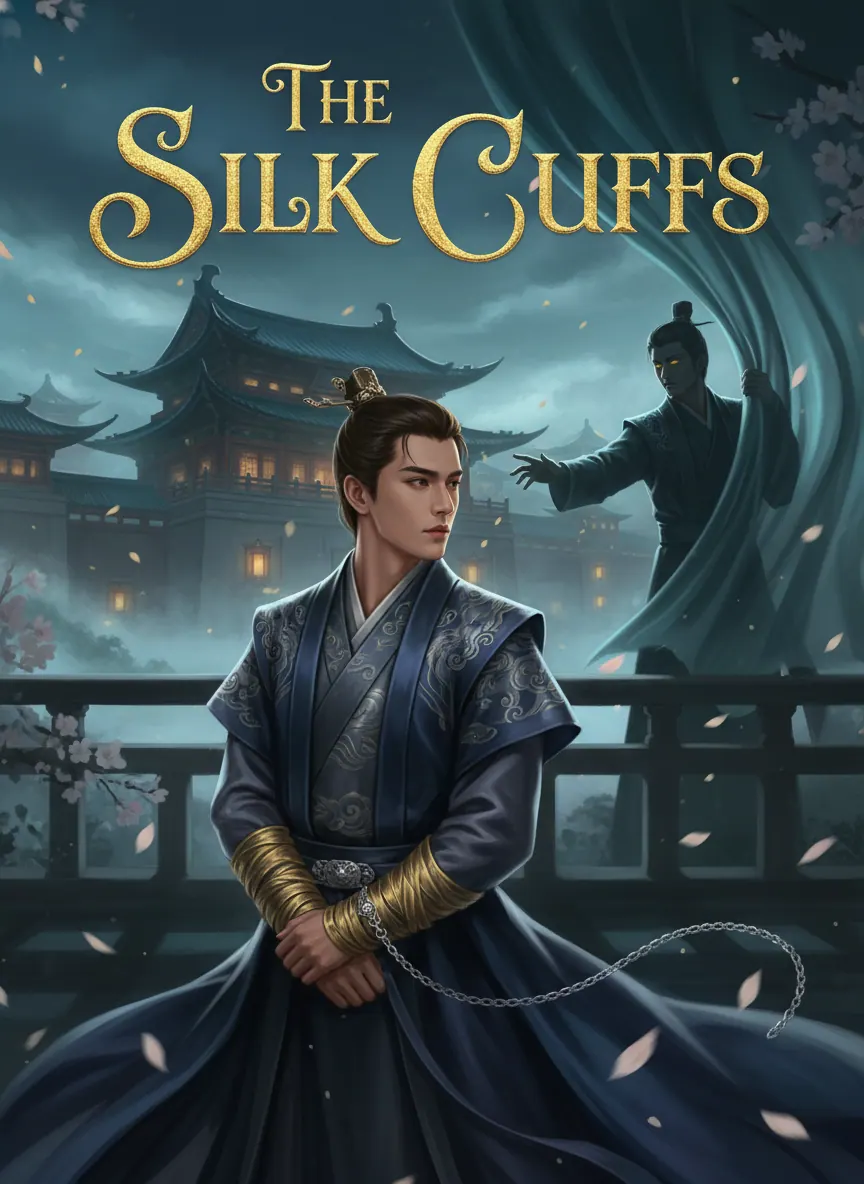
A Tale of Tea Leaves and Imperial Folly: Introducing Palace Fighting Naive Concubines’ Ascent to Power
Ever found yourself captivated by the intricate dance of power within imperial courts, where subtle glances and whispered secrets hold more weight than a decree? If so, prepare to be utterly charmed by Palace Fighting Naive Concubines’ Ascent to Power, a historical web novel by the talented Whistling Autumn Wind that offers a refreshingly unique take on the genre. This isn't your typical tale of cunning strategists and ruthless ambition from the outset. Instead, we're invited into a world where innocence and accidental interactions pave an unexpected path to influence.
What the Story is About: More Than Just Tea
At its heart, Palace Fighting Naive Concubines’ Ascent to Power centers around a young and guileless palace maid named Lian Hua. Her initial intentions are simple: to please those above her and perhaps secure a slightly more comfortable existence within the gilded cage of the palace. The synopsis immediately draws you in with a series of seemingly minor yet hilariously consequential encounters with the Emperor himself.
Imagine poor Lian Hua, diligently preparing tea leaves to curry favor with a Zhaoyi, only to have the Emperor intercept her midway, hilariously hijacking her offering. This pattern of unintentional disruption continues. During a Noble Consort's birthday feast, her meticulously prepared tea leaves are once again seized by the Emperor before she can even present them, leaving her bewildered and aggrieved. These early episodes highlight Lian Hua's initial naivety and the Emperor's rather peculiar, almost mischievous, interactions with her.
But the Emperor's intrusions don't stop at tea. In a particularly memorable scenario, Lian Hua sneaks out with other maids to gather bamboo shoots, envisioning a delicious meal. Yet, the Emperor, seemingly out of nowhere, appears with the intention of 'freeloading.' The stakes are surprisingly high for Lian Hua; if her cooking isn't up to his discerning taste, she faces punishment. Miraculously, she manages to impress him, only for him to announce he's staying to sleep over – a development that leaves her feeling thoroughly taken advantage of.
This leads to a poignant moment where Lian Hua, having spent her savings to sustain the Emperor, cries herself to sleep out of worry about future repercussions. The Emperor, awakened by her tears, offers genuine comfort and a promise of future provision, hinting at a shift in his perspective. This is the foundation of Palace Fighting Naive Concubines’ Ascent to Power: a story that begins with seemingly insignificant moments and builds towards something far more significant.
World-Building and Atmosphere
While the synopsis focuses on Lian Hua's personal experiences, the setting of an imperial palace inherently brings with it a rich tapestry of historical context. Whistling Autumn Wind masterfully evokes the atmosphere of the imperial court – the hierarchies, the unspoken rules, and the constant undercurrent of potential drama. However, Palace Fighting Naive Concubines’ Ascent to Power distinguishes itself by not immediately plunging the reader into cutthroat palace intrigue. Instead, it allows the reader to experience the court through the eyes of someone initially untouched by its darker machinations.
The world-building is subtle but effective. We understand the significance of imperial favor, the pressures on palace staff, and the immense power wielded by the Emperor. Yet, the narrative feels accessible, thanks to Lian Hua's grounded perspective. Her concerns are relatable – worrying about money, food, and avoiding punishment. This contrasts sharply with the grand machinations one might expect in a historical palace drama, making the story feel fresh and engaging.
Main Characters: An Unlikely Duo
Lian Hua is the heart and soul of Palace Fighting Naive Concubines’ Ascent to Power. Her defining characteristic is her naivety, but this is not portrayed as a weakness. Instead, it's her purity of intention and her genuine efforts that gradually capture the attention of the Emperor. She's not plotting or scheming; she's simply trying her best in the circumstances she finds herself in. This inherent goodness is what makes her journey so compelling.
The Emperor, on the other hand, is presented as a figure of immense authority, but also with a surprising streak of capriciousness and perhaps a hidden loneliness. His initial interactions with Lian Hua are characterized by a playful, almost teasing, nature. He seems amused by her earnestness and perhaps finds a respite from the usual flatteries and machinations of his court in her simple sincerity. The development of their relationship, from annoyance and bewilderment to something deeper, is a key element that readers will find themselves invested in.
What Makes This Story Stand Out?
What truly sets Palace Fighting Naive Concubines’ Ascent to Power apart is its gentle and humorous approach to a potentially heavy genre. Many historical palace novels delve immediately into complex political maneuverings and intense rivalries. Whistling Autumn Wind opts for a different path, focusing on the development of a relationship built on unexpected encounters and genuine, albeit initially one-sided, connection. The humor derived from the Emperor's antics and Lian Hua's bewildered reactions is a significant draw.
The narrative cleverly uses the trope of an "accidental favorite." Lian Hua doesn't win the Emperor's favor through calculated moves but through a series of events where her simple actions inadvertently capture his notice and, eventually, his affection. This inversion of the typical power dynamic makes the story feel unique and heartwarming. The fact that the story has concluded also means readers can dive in and experience the entire journey without waiting for updates, a great advantage for many web novel enthusiasts.
Why Readers Love It
Readers are drawn to Palace Fighting Naive Concubines’ Ascent to Power for several key reasons:
- Relatable Protagonist: Lian Hua's initial helplessness and her journey of growth resonate with many readers who appreciate a protagonist who isn't born with innate power but earns it.
- Humor and Charm: The lighthearted tone and humorous interactions, especially between Lian Hua and the Emperor, provide a refreshing escape.
- Sweet Romance: The slow-burn romance that develops from their unusual interactions is a significant appeal.
- Unique Take on a Popular Genre: It offers a novel perspective on historical palace dramas, focusing on personal growth and unexpected favor.
- Satisfying Conclusion: Knowing the story is complete allows for a binge-reading experience without the anxiety of cliffhangers.
Who Should Read This?
This web novel is perfect for anyone who enjoys:
- Historical Romance: If you like stories set in imperial courts with a focus on developing relationships.
- Slow-Burn Romance: Those who appreciate a love story that unfolds gradually and organically.
- Lighthearted Historical Fiction: Readers who want a historical setting but prefer a less grim and more engaging narrative.
- Stories with Strong Female Leads (in progress): While Lian Hua starts naive, her journey is one of empowerment and finding her voice.
- Web Novel Enthusiasts: This is a prime example of the engaging storytelling found on web novel platforms.
Where to Read
As a web novel, Palace Fighting Naive Concubines’ Ascent to Power is typically found on various online reading platforms that host serialized fiction. These platforms often allow readers to access chapters as they are released and sometimes offer premium options for advanced viewing or ad-free experiences. Always look for the official serialization of Palace Fighting Naive Concubines’ Ascent to Power by Whistling Autumn Wind to support the author.
Frequently Asked Questions (FAQ)
Q1: Is this a purely political novel, or is there a romance element?
A1: While set in an imperial court, the story strongly emphasizes the developing romance between Lian Hua and the Emperor, stemming from their unique interactions. It's a blend of historical setting and romantic progression.
Q2: Is Lian Hua a typical scheming concubine?
A2: No, Lian Hua is intentionally portrayed as naive and guileless at the start. Her ascent to power is not through cunning schemes but through her genuine nature and a series of fortuitous events, making her a refreshing protagonist.
Q3: Does the story involve a lot of angst or tragedy?
A3: While there are moments of hardship and worry for Lian Hua, the overall tone of the novel leans towards charm, humor, and a heartwarming progression. The Emperor's eventual comfort and promise suggest that the darker aspects are managed and overcome.
Q4: Is the Emperor a cruel figure?
A4: Initially, the Emperor appears somewhat capricious and perhaps a bit oblivious to Lian Hua's struggles. However, the story shows him developing genuine affection and concern for her, demonstrating a more compassionate side as he gets to know her.
Q5: The synopsis mentions "Palace Fighting." Does this mean a lot of fighting between concubines?
A5: The term "Palace Fighting" is often used in the genre to describe the dynamics within imperial courts. While there are hierarchies and potential rivalries, the focus of Palace Fighting Naive Concubines’ Ascent to Power is more on Lian Hua's personal journey and her unique relationship with the Emperor, rather than intense multi-character feuds from the outset.