The Fascinating Journey of Coffee Beans: From Seed to Sip
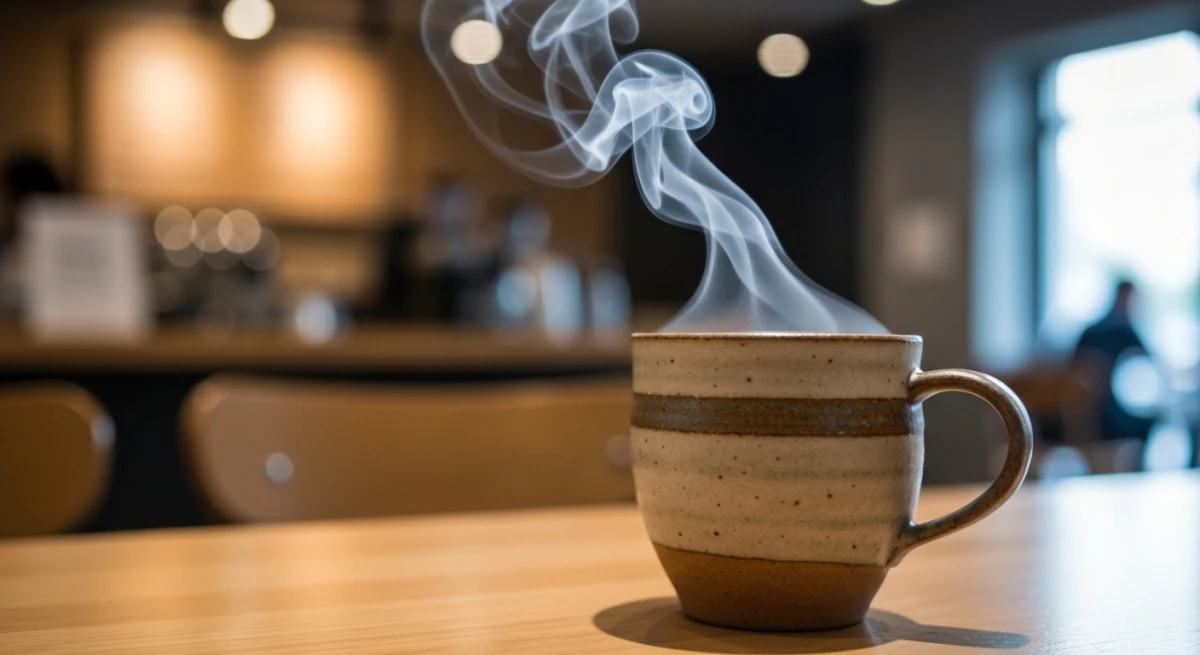
The aroma of freshly brewed coffee is a morning ritual for millions, a warm embrace that signals the start of a new day. But have you ever paused to consider the incredible journey these humble coffee beans take before they reach your cup? It's a complex and fascinating process, deeply rooted in agriculture, science, and a touch of artistry. Understanding the world of coffee beans goes far beyond simply knowing the difference between light and dark roasts. It involves appreciating the plant itself, the meticulous cultivation, the critical drying and processing stages, and finally, the transformative magic of roasting.
This guide is designed to demystify the world of coffee beans. We'll explore the fundamental differences between the two main species, delve into the nuances of cultivation and processing that impact flavor, and touch upon the roasting process that unlocks their aromatic potential. While many of us enjoy the end product, a deeper understanding of coffee beans can elevate your appreciation and empower you to make more informed choices as a consumer, whether you're selecting whole beans for home brewing or ordering a specialty drink.
It's important to note that while the term "beans" is used colloquially for coffee, coffee plants produce seeds found inside a cherry-like fruit. However, in the coffee industry and for consumers, these seeds are universally referred to as coffee beans. This guide will adopt that common terminology. We'll also briefly touch upon other types of "beans" that populate our diets, like broad beans, green beans, and black beans, to highlight the distinct nature of coffee beans.
The Two Pillars of Coffee: Arabica vs. Robusta
When you delve into the realm of coffee beans, two names will inevitably surface: Arabica and Robusta. These are not just different varieties; they are distinct species of coffee plants, each with its own unique characteristics that profoundly influence the taste, aroma, and even the caffeine content of your brew. Understanding the fundamental differences between Arabica and Robusta is perhaps the most crucial first step in appreciating the diversity of coffee beans.
Arabica Beans: The Aristocrat of Coffee
Arabica coffee beans account for roughly 60% of the world's coffee production and are renowned for their complex flavor profiles and aromatic qualities. Grown at high altitudes, typically between 600 to 2000 meters (2,000 to 6,500 feet), Arabica plants are delicate and require specific climatic conditions – mild temperatures, ample rainfall, and rich soil. This demanding cultivation environment contributes to their premium status and often higher price point.
The flavor of Arabica coffee is often described as nuanced, sweet, and aromatic, with notes that can range from fruity and floral to chocolatey and nutty. The acidity is typically bright and pleasing, contributing to a clean and vibrant finish. Arabica beans have a lower caffeine content compared to Robusta, generally ranging from 1.5% to 2% by weight. This makes them ideal for those who prefer a smoother, less intense coffee experience, allowing the subtle flavor complexities to shine.
Commonly known varieties within the Arabica species include Bourbon, Typica, Caturra, and Pacamara, each offering its own subtle variations in taste and aroma. When you encounter single-origin coffees or specialty blends, they are very often primarily composed of Arabica beans, celebrated for their intricate flavor profiles.
Robusta Beans: The Bold and the Beautiful
Robusta coffee beans, scientifically known as Coffea canephora, make up the remaining 30-40% of global coffee production. As the name suggests, these plants are far more robust and resilient than their Arabica counterparts. Robusta thrives in hotter climates and can be grown at lower altitudes. They are also more resistant to pests and diseases, making them easier and more cost-effective to cultivate.
The flavor profile of Robusta is often described as strong, bold, and even rubbery or bitter, with a distinct nutty undertone. They possess a much higher caffeine content than Arabica, typically ranging from 2.5% to 4.5% by weight, giving the coffee a more intense kick. This higher caffeine content and strong, assertive flavor make Robusta beans a popular choice for espresso blends, where they contribute to a thick, creamy crema and a powerful, invigorating taste. They are also frequently used in instant coffee production due to their potent flavor and lower cost.
While sometimes looked down upon in specialty coffee circles, a well-processed and roasted Robusta bean can contribute desirable qualities to a blend. Its body, crema, and caffeine boost are invaluable for certain coffee preparations.
The Journey from Cherry to Bean: Processing Methods
Once the coffee cherries are harvested, a crucial series of steps known as processing takes place. These methods are vital in determining the final flavor profile of the coffee beans. While the terms "broad beans," "green beans" (in the context of vegetables), and other types of beans like "mung beans," "fava beans," "cannellini beans," "black beans," "pinto beans," "butter beans," "lima beans," and "baked beans" refer to legumes with entirely different culinary uses, the processing of coffee beans is a specialized agricultural technique aimed at extracting and preparing the seeds for roasting.
There are three primary processing methods, each imparting unique characteristics to the coffee:
1. Washed (or Wet) Process
This is the most common method for Arabica coffee and is known for producing clean and bright-tasting coffees. In the washed process, the outer layers of the coffee cherry – the skin and pulp – are mechanically removed shortly after harvesting, before the beans are dried. The beans are then fermented in water tanks to break down the mucilage, a sticky layer that adheres to the bean. Finally, they are thoroughly washed to remove any remaining residue before being sun-dried or mechanically dried.
- Flavor Impact: The washed process typically results in coffees with a brighter acidity, cleaner flavors, and a more pronounced origin character. It allows the delicate floral and fruity notes of Arabica beans to stand out.
2. Natural (or Dry) Process
This is the oldest and simplest processing method, historically used in regions with limited water access. In the natural process, the entire coffee cherry is dried whole in the sun. The cherries are spread out on patios or raised beds and raked regularly to ensure even drying and prevent spoilage. Once the cherry is dried and brittle, the outer layers are mechanically removed to reveal the bean.
- Flavor Impact: Natural processing often results in coffees with fuller body, lower acidity, and intense fruity flavors, sometimes reminiscent of berries or wine. The prolonged contact with the drying cherry can impart complex, syrupy sweetness.
3. Honey (or Pulped Natural) Process
This method is a hybrid of the washed and natural processes, falling somewhere in between. After the skin and pulp are removed from the coffee cherry, a portion of the mucilage is left on the bean during the drying phase. The amount of mucilage left determines the "color" of the honey process (e.g., yellow, red, black honey), with more mucilage leading to a sweeter, fruitier, and more complex cup.
- Flavor Impact: Honey-processed coffees tend to exhibit a balance between the clean acidity of washed coffees and the fruity sweetness of natural coffees. They often possess a pleasant sweetness, rounded acidity, and good body.
Roasting: The Alchemist of Aroma
Raw coffee beans, often referred to as green coffee beans, are quite different from the aromatic brown beans we recognize. The roasting process is where the magic truly happens, transforming the chemical and physical properties of the beans and unlocking their complex array of flavors and aromas. This is a critical stage, and different roast levels can dramatically alter the character of the same coffee bean.
Roast Levels Explained
- Light Roast: Roasted for a shorter duration at lower temperatures, light roasts preserve more of the original characteristics of the coffee bean. They typically have a brighter acidity, lighter body, and distinct origin flavors that can be floral, fruity, or citrusy. The beans themselves will be light brown and will not have visible oil on their surface.
- Medium Roast: These beans are roasted longer and at slightly higher temperatures than light roasts. Medium roasts offer a balanced profile with a bit more body and less acidity than light roasts. Flavors can range from caramel and chocolate to nuttier notes. The beans are a medium brown color, and may show a hint of oil.
- Dark Roast: Roasted at higher temperatures for longer periods, dark roasts develop flavors that are bolder, smokier, and more intense. The origin characteristics of the bean are often masked by the roast flavors. Acidity is significantly reduced, and the body is fuller. The beans will be dark brown to almost black, with a visible sheen of oil on their surface. Espresso roasts often fall into this category.
The Science Behind the Roast
During roasting, several key chemical reactions occur. Maillard reactions create hundreds of aroma compounds, and caramelization breaks down sugars, contributing to sweetness and body. The beans expand, their color darkens, and they lose moisture. The skill of the roaster lies in controlling time and temperature to achieve a roast profile that best showcases the inherent qualities of the specific coffee beans.
Beyond the Basics: Factors Affecting Coffee Bean Flavor
While species, processing, and roasting are primary drivers of flavor, several other factors contribute to the nuanced world of coffee beans:
- Origin and Terroir: Just like wine, coffee is heavily influenced by its origin. The soil composition, altitude, climate, and rainfall of a specific growing region (e.g., Ethiopia, Colombia, Sumatra) impart unique characteristics. "Terroir" is the term used to describe this combination of environmental factors.
- Varietal: Within the Arabica species, there are numerous varietals (like Bourbon, Typica, Geisha) that have genetic differences affecting their flavor profiles.
- Altitude: Higher altitudes generally produce denser beans with more complex sugars, leading to brighter acidity and more intricate flavors.
- Farming Practices: Sustainable farming, shade-grown techniques, and careful harvesting all contribute to the quality and consistency of the coffee beans.
Common Questions About Coffee Beans (FAQ)
Q: Are all "beans" the same? A: Absolutely not! While we colloquially call coffee seeds "beans," they are distinct from edible beans like broad beans, green beans (vegetables), mung beans, fava beans, cannellini beans, black beans, pinto beans, butter beans, lima beans, and refried beans. These culinary beans are legumes and have entirely different nutritional profiles and culinary uses. Even within the coffee world, there are significant differences between Arabica and Robusta species, and further variations based on origin, processing, and roast.
Q: What is the difference between whole bean coffee and ground coffee? A: Whole bean coffee is roasted coffee beans that have not yet been ground. Grinding coffee just before brewing is highly recommended as it preserves the volatile aromatic compounds, leading to a fresher, more flavorful cup. Ground coffee has a shorter shelf life and can lose its flavor more quickly due to increased surface area exposure to air.
Q: How should I store coffee beans? A: Coffee beans should be stored in an airtight container in a cool, dark place, away from heat, light, moisture, and strong odors. Avoid refrigerating or freezing whole beans, as this can introduce moisture and odors. For short-term storage (1-2 weeks), the original bag with a resealable closure or a dedicated coffee canister is ideal. For longer storage, consider vacuum-sealed bags.
Q: What does "single-origin" mean for coffee beans? A: "Single-origin" coffee refers to beans that come from a specific geographical location, such as a single farm, region, or country. This allows consumers to taste the unique characteristics of that particular origin's terroir and processing methods.
Q: Can I use "green beans" (vegetables) in coffee? A: No, "green beans" in the context of vegetables (like those used in green bean casserole) are entirely unrelated to coffee beans. Coffee is derived from the seeds of the coffee plant. While the term "green coffee beans" refers to unroasted coffee seeds, it has no relation to edible green beans.
Conclusion: Elevating Your Coffee Experience
Understanding the intricate journey of coffee beans from the farm to your mug is a rewarding endeavor. Whether you're drawn to the delicate nuances of Arabica or the bold intensity of Robusta, the way the beans are processed and roasted plays an equally significant role in shaping the final taste. By appreciating these elements, you can make more informed choices, experiment with different origins and roast levels, and ultimately, brew a more satisfying and personalized cup of coffee. The world of coffee beans is vast and endlessly fascinating, offering a rich landscape for exploration for any coffee enthusiast.

